How much does a month in Korea cost on a working holiday?
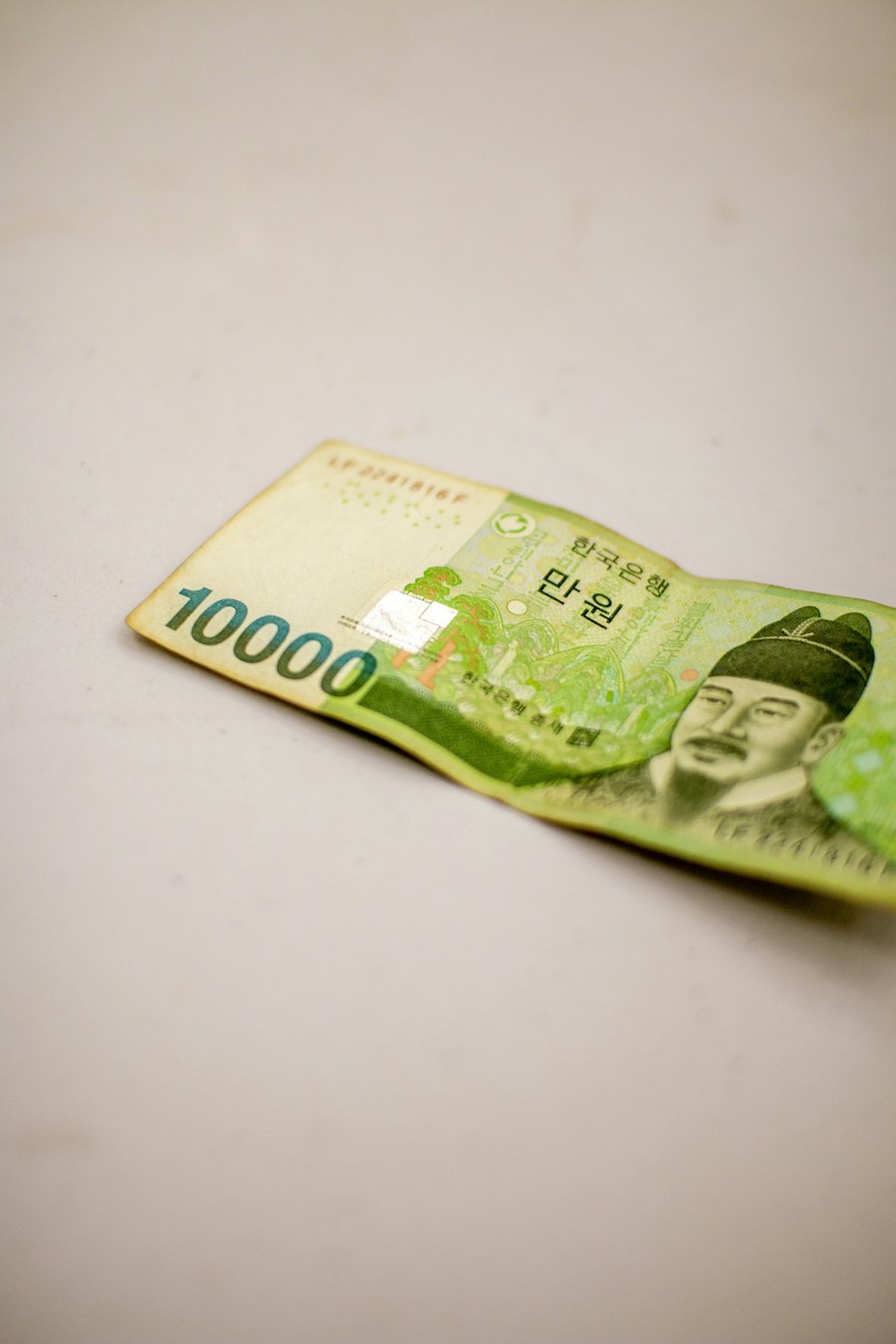
A realistic monthly budget for a backpacker or working holiday maker in Seoul — rent, food, transport and phone — plus how much to bring before your first payday.
Korea is cheaper than Australia, New Zealand or the UK for daily life, but Seoul rent and the first month before you get paid can still catch you out.
A realistic monthly budget in Seoul
These are rough 2026 figures for a single person living simply: a goshiwon or share-house room, cooking sometimes and eating cheap meals out, and using public transport.
| Frugal | Comfortable | |
|---|---|---|
| Rent (goshiwon or share house) | ₩350,000–₩500,000 | ₩550,000–₩800,000 |
| Food and groceries | ₩350,000–₩450,000 | ₩500,000–₩700,000 |
| Transport | ₩60,000–₩80,000 | ₩80,000–₩120,000 |
| Phone | ₩20,000–₩40,000 | ₩40,000–₩70,000 |
| Going out, travel, extras | ₩100,000–₩200,000 | ₩300,000+ |
| Total | about ₩0.9–1.3 million | about ₩1.5–2 million |
Outside Seoul, rent and food are usually cheaper. Busan, Daegu and smaller cities can take a good chunk off the total.
What things cost
- Subway or bus ride in Seoul: roughly ₩1,500–₩1,700 with a T-money card. Transfers within a short time are free or discounted.
- Climate Card (기후동행카드): Seoul’s unlimited monthly transport pass costs about ₩62,000. Worth it if you ride twice a day. It doesn’t cover every line, so check before you buy.
- Taxi: the base fare in Seoul starts around ₩4,800.
- Cheap meal: gimbap, a convenience-store lunch or a simple restaurant meal is usually ₩4,000–₩10,000.
- Coffee: ₩2,000 at budget chains, ₩5,000+ at trendy cafés.
How much money to bring
Your biggest cost comes before your first payday: a deposit, the first month’s rent, a SIM card and living costs while you job hunt. Many jobs pay monthly, so you might wait four to six weeks for your first wage.
A sensible starting fund is enough for 2–3 months without work, which on the figures above is roughly ₩3–4 million. Your visa may also ask you to show a minimum amount of funds, so check your country’s terms.
Ways to save
- Cook at least some meals. Many goshiwon give free rice and kimchi.
- Shop at traditional markets and supermarket discount sections in the evening.
- Get the Climate Card if you commute daily in Seoul.
- Switch to a budget phone plan once you have your ARC. See Phone plans and SIM cards.
- Live just outside the centre. Neighbourhoods a few stops out can be much cheaper.