Goshiwon vs share house
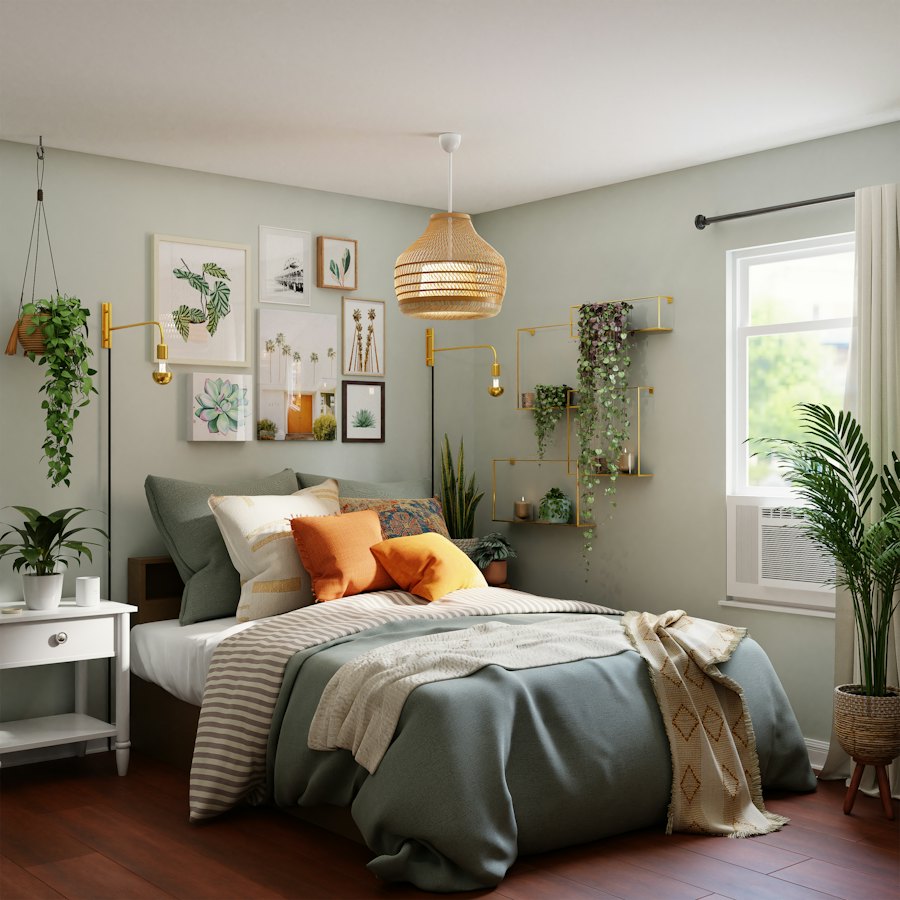
The two cheapest ways to rent in Korea on a working holiday, compared — rough prices, deposits, what you get, and how to avoid losing money.
On a working holiday budget, two kinds of housing come up again and again: the goshiwon and the share house. Both let you rent month by month without the huge deposit a normal Korean apartment asks for.
The quick comparison
| Goshiwon (고시원) | Share house (셰어하우스) | |
|---|---|---|
| Your space | A tiny private room, often 4–7 m² | A private or shared bedroom in a normal flat |
| Bathroom | Shared, or a small private one in pricier rooms | Usually shared with a few housemates |
| Kitchen | Shared, often with free rice, kimchi and ramyeon | Full shared kitchen |
| Deposit | None or very small | Often around ₩1–3 million, sometimes less |
| Rent in Seoul (rough) | ₩300,000–₩600,000 a month | ₩500,000–₩800,000 a month for a private room |
| Bills | Usually included | Sometimes split on top of rent |
| Minimum stay | Often one month | Often one to three months |
| Social life | Quiet, people keep to themselves | Housemates, often other foreigners |
Prices are rough Seoul figures from late 2025 to 2026 and vary a lot by neighbourhood. Rooms near universities and outside central Seoul are cheaper; Gangnam is the most expensive. Outside Seoul, both are usually cheaper.
Goshiwon: cheapest and fastest
A goshiwon was originally a place for students cramming for exams, so rooms are small and quiet. Many are now called goshitel or one-room tel, and the nicer ones have a private shower and toilet.
Good for: your first month, a short job in one city, or saving as much as possible.
Things to check before paying:
- Is there a window? Windowless rooms are cheaper but can feel claustrophobic in summer.
- Is the bathroom private or shared, and how many people share it?
- What’s included: Wi-Fi, laundry, rice and kimchi, heating and air-con?
- Quiet rules: some goshiwon ask you not to cook or talk late at night.
Share house: more space and people
A share house gives you a real bedroom, a proper kitchen and housemates. Many are run by companies that advertise in English and are used to foreign tenants.
Good for: staying in one city for two months or more, and meeting people.
Things to check before paying:
- How much is the deposit, and when exactly is it returned after you leave?
- Are bills (electricity, gas, internet) included or split?
- How many people share each bathroom?
- Is there a minimum stay, and what happens if you leave early?
What “deposit” means in Korea
Korean rentals use a deposit (보증금, bojeunggeum) paid upfront, plus monthly rent (월세, wolse). The deposit should be returned when you move out, minus any damage or unpaid bills.
Normal one-room apartments often ask for a deposit of several million won, which is why most working holiday makers start in a goshiwon or share house.
You may also see jeonse (전세): a very large deposit with no monthly rent. It’s not realistic on a working holiday, so you can ignore it.
How not to lose your deposit
- See the room in person or on a live video call before paying anything.
- Pay into a bank account in the landlord’s or company’s name, not a random personal account.
- Get a written agreement with the rent, deposit, move-out notice and refund date. A KakaoTalk message is better than nothing; a signed contract is better still.
- Take photos of the room on move-in day.
- Be wary of anyone who pushes you to pay a deposit fast because “someone else wants it”.
Where to look
- Walk around the area you want to live in. Many goshiwon have a phone number on a sign outside.
- Share house companies and Facebook groups for foreigners in Korea list rooms in English.
- Korean apps such as Zigbang (직방) and Dabang (다방) list one-rooms, mostly in Korean.
- Our own room board is coming soon on Korea Backpackers.