Seasonal jobs in Korea — ski resorts and Jeju tangerine farms
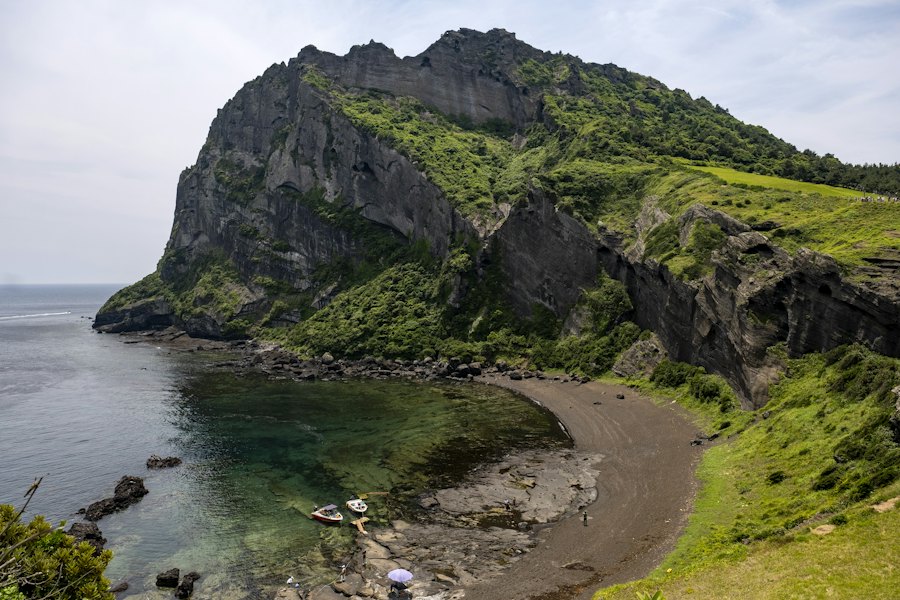
When Korea's busiest seasonal work happens, what the jobs involve, and how working holiday makers can find a winter at a ski resort or a harvest on Jeju.
Seasonal work is a classic part of a working holiday: a few months somewhere new, often with housing, and money saved because there’s nothing to spend it on. In Korea, winter is the big season.
When the work is
| Season | Work | Where |
|---|---|---|
| Late November – early March | Ski resorts: rental shop, lift, ticketing, restaurants, cleaning, lessons | Gangwon-do (Pyeongchang, Jeongseon and others), Gyeonggi-do near Seoul |
| About October – February | Tangerine (gyul) harvest; picking peaks around December–January | Jeju Island |
| About February – March | Hallabong and other citrus, often in greenhouses | Jeju Island |
Ski resorts usually open in early December and close in early March, with hiring starting in the autumn before. Harvest timing depends on the weather and the variety of fruit, so ask farms directly.
Ski resort jobs
Typical jobs: equipment rental, lift operation, ticket desks, food and beverage, housekeeping, and lessons if you’re a qualified instructor.
What to expect:
- Long shifts, especially on weekends and over Christmas and the Lunar New Year holiday.
- Some employers offer staff housing or meals. Ask about this before accepting, because accommodation near resorts can be expensive.
- Korean helps a lot for customer-facing roles. Back-of-house and rental jobs are easier without it.
How to find them: check the careers or recruitment pages of the resorts themselves, Korean job apps (search for 스키장 알바, “ski resort part-time”), and foreigner Facebook groups from about September onwards.
Jeju tangerine farm work
Typical jobs: picking, sorting and packing citrus.
What to expect:
- Physical outdoor work, often in cold wind. Bring warm layers and gloves.
- Farm hours start early, and work can stop on rainy days.
- Some farms offer housing. Jeju is spread out and buses can be infrequent, so ask how you’ll get to the farm each day.
How to find them: Korean job apps (search 귤 따기 or 감귤 수확 알바), Jeju guesthouses (owners often know farmers who need help), and Facebook groups.
Before you say yes
- Check the job is allowed on your visa, and any limit on how long you can work for one employer. See Which jobs can you do on an H-1 visa?
- Get a written contract with your hourly pay (at least the minimum wage), hours, and whether housing and meals are free or deducted from your pay.
- Confirm the dates. A season that ends early because of warm weather or a poor harvest can cut your income short.